

The Benefits of In-House Construction for Your Mausoleum
What is a Mausoleum?
A mausoleum is much more than a building—it’s a lasting tribute to a person’s life, memory, and legacy. Unlike traditional ground burials, a mausoleum is an above-ground structure that houses the remains of the deceased in crypts or niches. These architectural memorials range in size from small private family buildings to grand public monuments. Regardless of the scale, they serve one primary purpose: to provide a serene, secure, and dignified final resting place that can stand the test of time.
Traditionally, mausoleums are constructed using high-quality materials such as granite, marble, and reinforced concrete to ensure durability and elegance. The beauty of a mausoleum lies not just in its physical form, but also in the peace and reverence it brings to visiting families. Over the years, they’ve become symbols of status, respect, and familial unity, preserving family heritage across generations.
Modern mausoleums have evolved to meet diverse cultural and religious practices. They may include custom engravings, stained glass windows, statues, and climate-controlled interiors, offering families a personalized experience. Given the complexity and emotional weight behind building such a structure, it’s vital to ensure it's done right—this is where the method of construction, particularly in-house construction, becomes crucial.
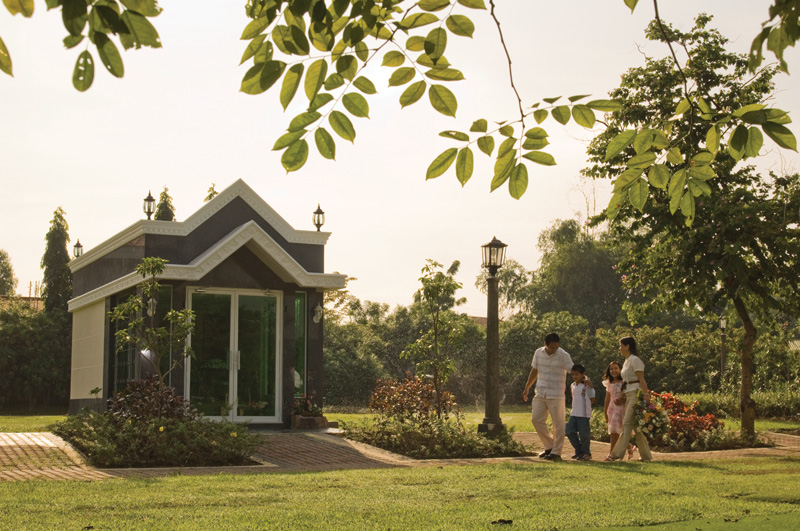
The Role of Mausoleums in Legacy and Remembrance
A mausoleum isn’t just a physical location—it’s a spiritual space where stories are preserved, and legacies are honored. It becomes a place where family members can gather for reflection, prayer, and remembrance. It offers a sense of permanence that traditional gravesites often lack. Mausoleums help future generations connect with their ancestry, anchoring family histories in a beautifully designed structure that can last for centuries.
In many cultures, mausoleums are considered sacred. The act of building one is often treated as a final act of love and respect. It’s not just about functionality—it’s about expressing care and preserving memory. A mausoleum gives families the power to control the narrative of how their loved ones are remembered. Whether it’s a simple, elegant crypt or an elaborate architectural marvel, each detail reflects a deep emotional significance.
In this context, the way a mausoleum is constructed—whether outsourced or built in-house—makes a huge difference in the final outcome. Golden Haven understands this better than most.
Understanding In-House Construction
Definition and Concept
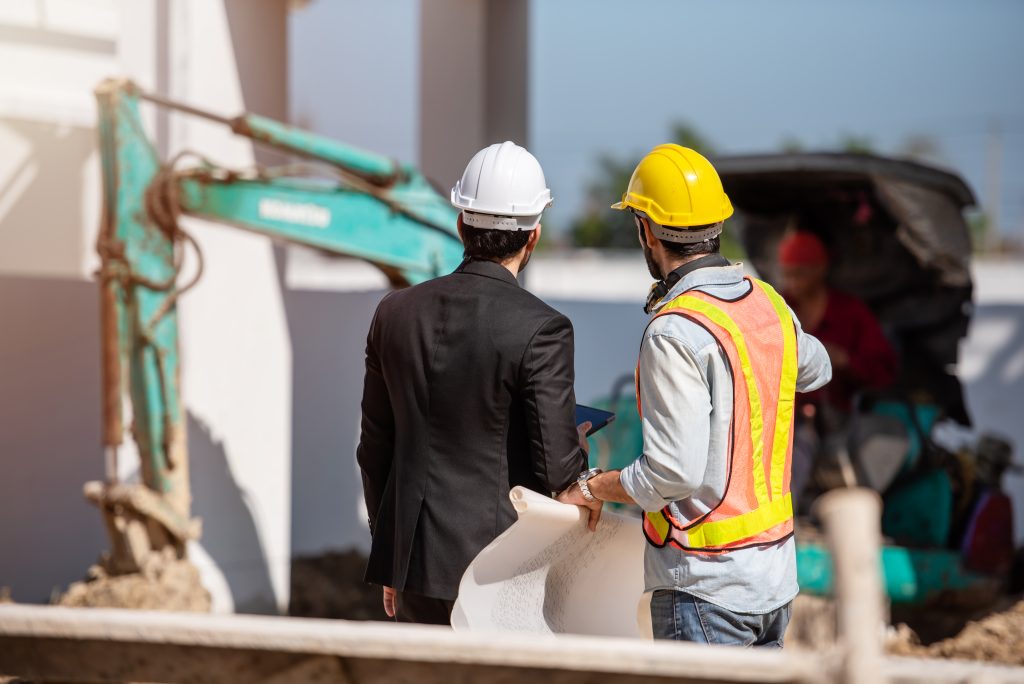
In-house construction refers to the process where a company manages and completes all aspects of construction using its internal team, rather than hiring external contractors. From planning and design to material sourcing and actual building, every phase is handled internally. This gives the company full control over quality, timelines, budget, and design integrity.
Think of it this way: imagine cooking a gourmet meal from scratch using your own ingredients versus ordering takeout. With in-house construction, everything is customized and carefully crafted under one roof, just like a home-cooked meal made with love and precision. There’s no dependence on third parties who may not fully understand the emotional or cultural nuances of mausoleum building.
The construction of a mausoleum is not just about stacking stones and sealing crypts. It’s about creating a sanctuary. And to do that successfully, the team must be deeply familiar with the vision and values behind the project. In-house construction enables that seamless connection between vision and execution.
Differences Between In-House and Outsourced Construction
Outsourced construction, although common in the industry, can sometimes lead to miscommunication, delays, and increased costs. External contractors may not always share the same level of commitment or understanding of the project's emotional significance. They may cut corners to maximize profit, use lower-quality materials, or lack the specialization needed to build mausoleums specifically.
In contrast, in-house teams operate under the direct guidance and culture of the parent company. In Golden Haven’s case, this means each mausoleum is built by people who understand the brand's commitment to legacy, heritage, and sacred design. The lines of communication are shorter, which reduces delays and enhances responsiveness. There's also better transparency, since families can directly inquire about progress, materials, and craftsmanship without going through layers of subcontractors.
Moreover, in-house teams are more adaptable. If a family suddenly wishes to change a design element or add a symbolic feature, the internal team can pivot quickly. External teams, bound by contracts and tight schedules, may resist such flexibility. Ultimately, in-house construction ensures the mausoleum is not just a product—but a passion project.
Golden Haven's In-House Construction Philosophy
Company Background
Golden Haven is one of the Philippines’ most respected memorial park developers, with decades of experience creating serene and beautiful final resting places across the country. Known for its world-class memorial parks and elegant mausoleums, Golden Haven has consistently emphasized the importance of legacy, beauty, and respect in all its projects.
But what truly sets Golden Haven apart isn’t just its aesthetics or locations—it’s the commitment to excellence that runs through every aspect of its work. This includes a strong emphasis on in-house construction. Rather than relying heavily on external contractors, Golden Haven believes in building mausoleums with its own team of skilled architects, engineers, and craftsmen.
This approach reflects the company’s belief that legacy shouldn’t be left in someone else’s hands. By keeping everything internal, Golden Haven ensures every mausoleum it builds meets exacting standards—both technically and emotionally.
Why Golden Haven Prefers In-House Work
Golden Haven’s preference for in-house construction isn’t just about efficiency—it’s about integrity. When a family entrusts their loved one’s memory to Golden Haven, they’re placing immense trust in the company’s hands. And Golden Haven takes that seriously.
Here’s why in-house construction is a cornerstone of their philosophy:
- Consistency in Quality: Golden Haven trains its own people. That means every builder, designer, and planner understands the standards expected. There’s no compromise on material quality, finish, or design integrity.
- Cultural Sensitivity: Mausoleums often incorporate cultural and religious elements. Having an in-house team ensures these are understood and respected during the entire construction process.
- Personalization: Families often want unique elements—symbols, phrases, colors, or layouts that reflect their loved one’s life. In-house teams can easily accommodate such requests without bureaucratic pushback.
- Emotional Investment: External contractors might see a mausoleum as just another job. Golden Haven’s internal team sees it as a mission. That emotional investment makes all the difference.
When you walk through a Golden Haven memorial park, what stands out isn’t just the architecture—it’s the feeling. That feeling is built from the ground up by people who care deeply about the work they do. And that level of care is only possible through in-house construction.
Cost Efficiency of In-House Construction

Eliminating Third-Party Costs
One of the most overlooked benefits of in-house construction is the dramatic reduction in overhead and unnecessary expenses. When you bring in third-party contractors, you’re not just paying for their time—you’re covering their markup, their administrative costs, and often, a premium for their network of subcontractors. It adds up fast.
Golden Haven avoids these excess costs by managing every stage of construction internally. This means they can offer competitive pricing without sacrificing quality. There’s no middleman inflating the price or miscommunicating the client’s desires. Families get direct value for every peso spent.
Think of it like this: when you buy directly from the source, you skip the retailer's markup. The same principle applies to mausoleum construction. By eliminating external contractors, Golden Haven keeps costs transparent, fair, and aligned with the family's budget.
Streamlined Budgeting and Planning
In-house construction also means Golden Haven can offer clients accurate, reliable budgets from day one. Because they control the entire supply chain—from design to materials to labor—they can anticipate costs with precision. No surprises. No hidden fees.
This level of control is especially helpful for families who are pre-planning a mausoleum as part of their long-term estate or legacy planning. They can commit to a vision with confidence, knowing that the final price won’t balloon unexpectedly.
Plus, in-house construction teams are more flexible with payment terms and packages. Golden Haven can offer personalized financing plans, phased payments, and value-added services because they’re not tied to contractor contracts. It's a smarter, simpler, and more supportive financial journey for families during a difficult time.
Enhanced Quality Control
Supervision at Every Stage
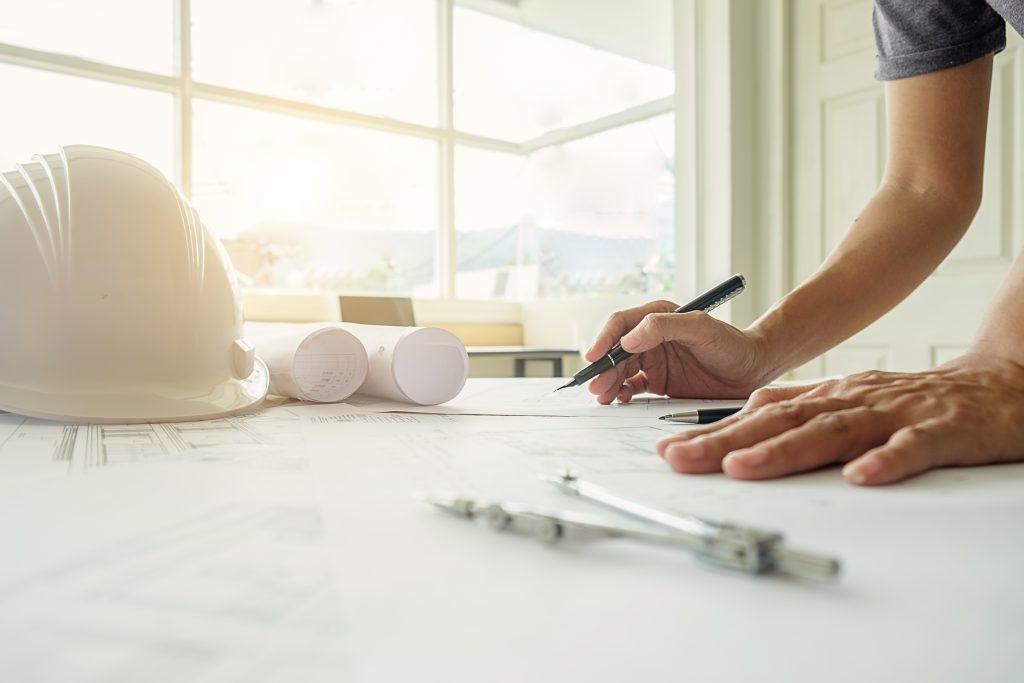
Quality control is where in-house construction really shines. At Golden Haven, every project is managed by an internal project manager who ensures strict supervision from start to finish. Unlike third-party builds—where accountability can be unclear—in-house projects have a direct chain of command. If something doesn’t meet the standard, it’s fixed immediately.
Golden Haven’s teams follow strict internal guidelines and regularly inspect work at each milestone. From the laying of the foundation to the final polish of the marble interior, every step is documented and reviewed. This ensures the final product not only meets but exceeds client expectations.
More importantly, in-house supervisors are accountable to the company’s legacy—not a contract deadline. That means they’ll take the time to get it right, not just get it done.
Materials and Craftsmanship
Golden Haven has direct relationships with trusted suppliers for high-quality building materials. Whether it’s Italian granite, locally sourced marble, or weatherproof sealants, every material used in their mausoleums is selected for durability and beauty. Because they don’t rely on third parties, they can ensure only the best materials are used.
Additionally, their in-house artisans are trained specifically in mausoleum construction—something general contractors can’t offer. From hand-carved statues to intricate tilework, the level of craftsmanship is unmatched. This attention to detail ensures that every Golden Haven mausoleum becomes a timeless work of art.
Golden Haven in house construction is available in three branches as of the moment. It's available in San Fernando, Norzagaray, and Sariaya but expect it to become widely available among all our branches in the near future. For other branches that do not have the in house construction offering, Golden Haven has accredited the best construction partners that are assured to be experts, and the best option for memorial construction that is available.
To learn more about this new offering, don't hesitate to message us here through our website or by reaching out through our social media accounts.