

Best Memorial Park Investments
Best Memorial Park Investments: A Comprehensive Guide to Profitable and Meaningful Opportunities
Introduction to Memorial Park Investments
Memorial parks have long been viewed as sacred spaces of remembrance, yet few realize the powerful investment potential they hold. In an era where real estate is highly volatile and digital assets dominate headlines, memorial parks stand out as stable, tangible, and emotionally grounded investments. Unlike typical commercial properties, these spaces cater to a timeless human need—honoring life and legacy.
Investing in memorial parks combines profitability with purpose. Whether it’s a traditional cemetery, a landscaped memorial garden, or a modern columbarium, the demand for dignified final resting places continues to grow. This niche market offers investors a blend of financial resilience, ethical grounding, and long-term appreciation that few other sectors can match.
What Are Memorial Park Investments?
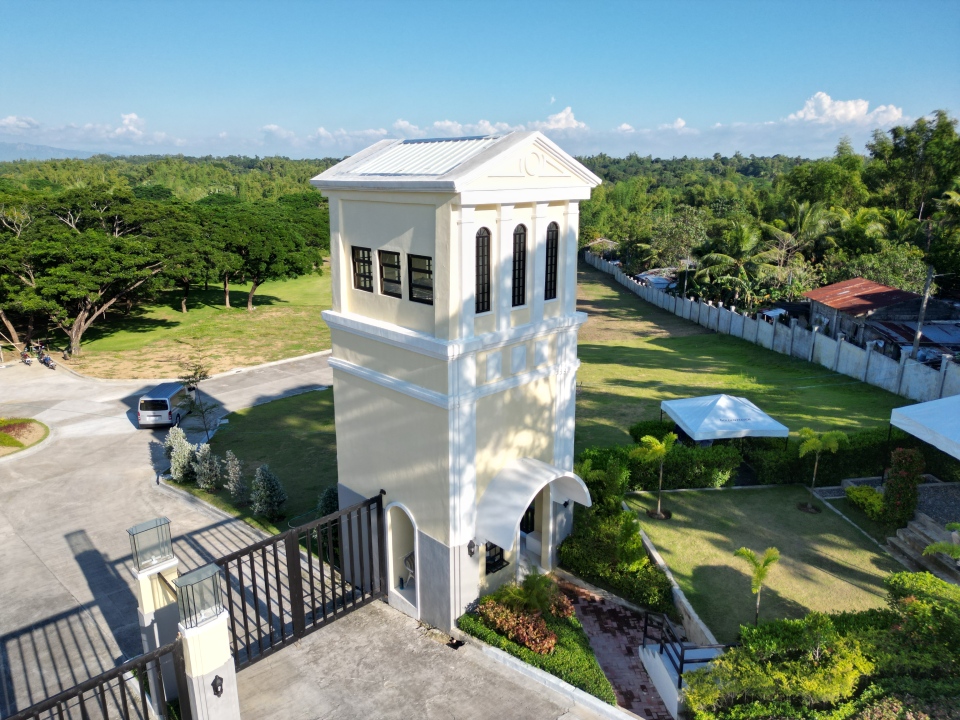
Memorial park investments refer to acquiring, developing, or managing land designated for burial or remembrance purposes. These parks are often designed with serene landscapes, walking paths, and artistic monuments, creating spaces that are both beautiful and functional. Unlike conventional cemeteries, memorial parks emphasize a park-like setting—lush greenery, fountains, and tranquil gardens—to celebrate life rather than mourn death.
From a financial standpoint, investors can profit through direct sales of acquired memorial lots or leasing of columbarium niches. As populations grow and available land diminishes, the value of these lots tends to rise steadily, providing investors with predictable, inflation-resistant returns.
Why Are Memorial Parks Considered a Stable Investment Option?
Memorial parks are one of the few sectors largely unaffected by economic downturns. While industries such as retail, hospitality, and tech experience fluctuations, the demand for burial space remains consistent. Death, though a sensitive topic, is a certainty—making the memorial park business recession-proof in many ways.
Furthermore, these investments often benefit from minimal competition. The limited supply of land zoned for cemetery use, combined with stringent regulations, creates natural barriers to entry. This scarcity drives both the exclusivity and long-term appreciation of existing memorial park assets.
The Rising Demand for Memorial Parks
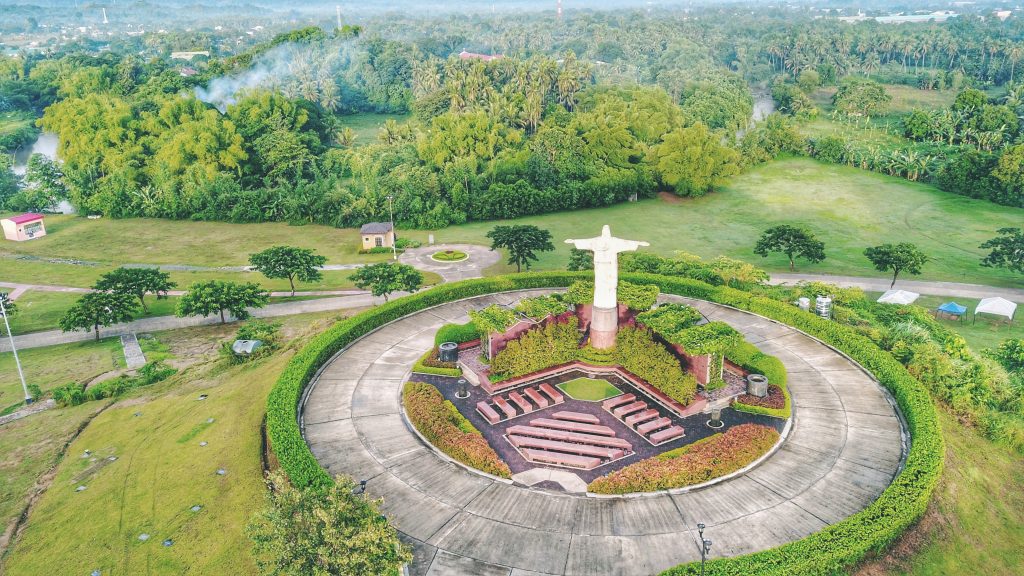
The memorial park industry is experiencing a resurgence driven by cultural, demographic, and environmental changes. With the global population steadily increasing and available urban space shrinking, the need for innovative and sustainable memorial solutions is greater than ever.
Shifting Cultural Attitudes Toward Memorialization
Modern society’s approach to death and remembrance has evolved dramatically. Families are moving away from traditional graveyards toward landscaped memorial parks that offer comfort, beauty, and spiritual peace. Today’s buyers look for personalized resting places—areas that reflect individuality and a celebration of life rather than sorrow.
This cultural shift has opened doors for investors to reimagine memorial properties. From thematic gardens to digital remembrance walls, the market now demands creativity and emotion-driven design, one that Golden Haven Memorial Park has fully embraced since they began developing. Investors who understand these preferences can tap into an emotionally rewarding and financially promising niche.
The Impact of Urbanization on Cemetery Space and Land Value
Urbanization is reshaping how cities manage death care infrastructure. In dense metropolitan areas, space is a premium commodity. Traditional cemeteries are either full or prohibitively expensive to expand. This scarcity increases the value of available memorial land, creating prime investment opportunities.
For instance, in cities like Manila, burial plots have become luxury assets, sometimes outperforming residential land in terms of appreciation. As local governments impose restrictions on new cemetery developments, investors who already own memorial park land stand to benefit from rising prices and high demand for pre-need sales.
Types of Memorial Park Investments

Investing in memorial parks isn’t limited to owning burial plots. The market has diversified to include various options that cater to different cultural, religious, and environmental preferences.
Memorial Lot Investment
Traditional memorial lots remain the cornerstone of memorial park investments. Each lot is a unique, finite asset with perpetual ownership potential. Investors can purchase multiple lots in one memorial park or buy grouped lots like garden lots which consists of three lots together. Usualy, one memorial lot can accommodate up to two fresh body interments.
Memorial lots appreciate in value over time due to scarcity and the continuous demand for dignified resting places. Many investors choose pre-need models, selling lots to families before the actual need arises, ensuring consistent cash flow and long-term profits.
Columbarium Niches and Mausoleums
As cremation becomes increasingly popular worldwide, columbarium niches—small compartments for storing urns—are emerging as a profitable alternative to traditional burial plots. Mausoleums, often built with architectural elegance, cater to families who prefer above-ground interment options.
These structures not only save space but also attract urban investors seeking compact, high-yield investments. Maintenance costs are lower, and design customization allows for premium pricing in upscale markets.
Memorial Gardens and Eco-Friendly Burial Sites
With the growing environmental consciousness, green burials and natural memorial parks have gained traction. These eco-friendly sites avoid embalming fluids and non-biodegradable materials, returning the body to the earth naturally.
Investors who develop green memorial parks can attract eco-conscious families, NGOs, and even government incentives promoting sustainable land use. Such projects often become community landmarks, enhancing both social and financial value.
Key Benefits of Investing in Memorial Parks

Memorial park investments stand out for their blend of emotional value, long-term security, and consistent returns.
Long-Term Stability and Consistent Returns
Unlike volatile assets like stocks or cryptocurrencies, memorial parks provide steady appreciation over time. The nature of the business ensures ongoing demand, and land value rarely depreciates. Additionally, pre-need sales generate early cash flow, while perpetual care fees ensure sustainable revenue.
Low Competition and High Emotional Value
Because of strict regulations and the sensitive nature of the business, few investors enter the memorial park industry. This creates limited competition and higher profit margins for existing investors. Moreover, the emotional value associated with providing a peaceful final resting place adds a deeper sense of fulfillment to the financial gains.
Diversification Benefits for Real Estate Portfolios
For real estate investors seeking stability, memorial parks are an excellent diversification tool. They perform independently of the housing market, meaning that even during recessions, memorial assets maintain or increase in value.
Financial Aspects and ROI Potential
Memorial parks offer several revenue streams and impressive ROI potential when managed strategically.
Understanding Profit Margins and Maintenance Costs
The primary cost is the acquisition of the memorial lot or the chosen investment type. Owners can prefer to maintain through caretakers or just let the property be managed by the developer until they are ready to resell. Usually, investors would wait years for a good value appreciation. With Golden Haven Memorial Parks, lots can appreciate as much as 20% per year, depending on the location of the property.
Comparing ROI: Memorial Parks vs. Traditional Real Estate
Traditional real estate can be cyclical, while memorial park investments deliver steady appreciation. While residential properties may offer 5–8% annual returns, memorial parks can yield up to 12–20% depending on the location and scale of operation.