

Teaching Children the Meaning of Undas
Understanding Undas: A Cultural and Spiritual Overview
What Is Undas in the Philippines?
Undas, also known as All Souls’ Day and All Saints’ Day, is one of the most meaningful traditions in the Philippines. Every November 1 and 2, families come together to remember loved ones who have passed away. Teaching children the meaning of Undas starts with helping them understand that it’s not a sad holiday, but a time of love, remembrance, and respect.
In Filipino homes, Undas is often marked by visits to memorial parks, lighting candles, offering prayers, and sharing stories about family members who are gone. Children naturally observe these rituals, which makes Undas a powerful teaching moment. Instead of shielding kids from conversations about death, Undas gently introduces the idea that remembering is an act of love.
What makes Undas unique is its family-centered nature. Cemeteries and memorial parks become places of reunion. Food is shared, laughter is heard, and memories are passed down. This environment helps children see that honoring the dead can coexist with hope and togetherness.
The Historical Roots of Undas
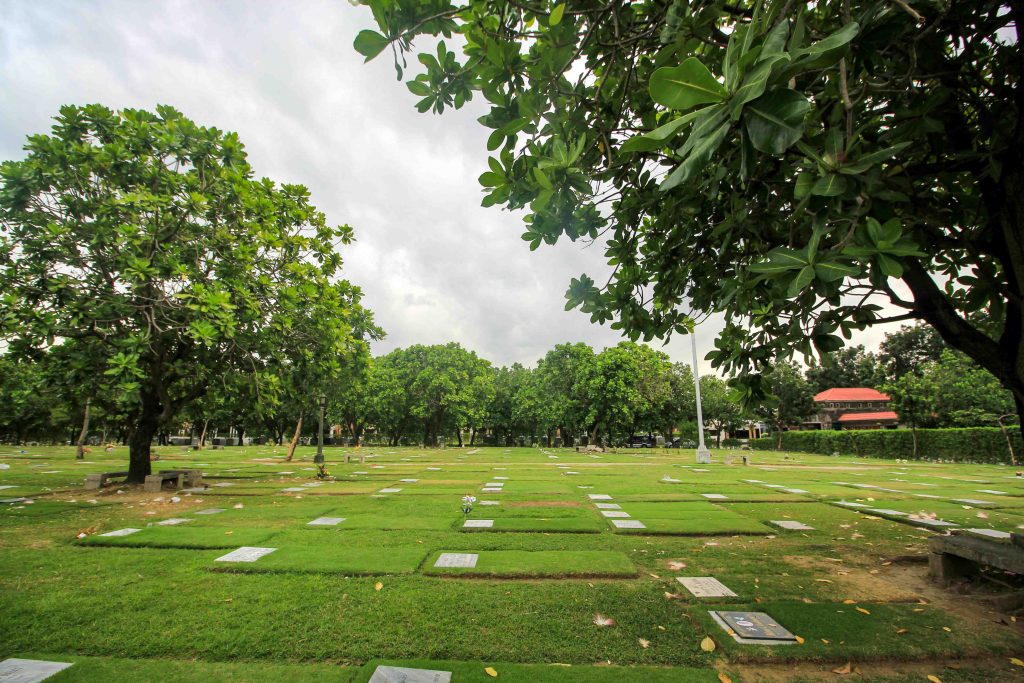
Undas has deep roots in Catholic tradition, influenced by Spanish colonization. However, it has also blended with pre-colonial Filipino beliefs about honoring ancestors. Teaching children the meaning of Undas becomes richer when parents explain that Filipinos have always believed in respecting those who came before us.
Long before modern memorial parks existed, early Filipinos practiced ancestor veneration. They believed the spirits of loved ones continued to guide and protect the living. Over time, Christian teachings added prayers, Masses, and religious symbols to these practices.
By explaining this history simply, children learn that Undas is not just a holiday, but a tradition shaped by faith, culture, and family values. It helps them appreciate why the practice continues today.
Undas vs. Halloween: Key Differences

Children often ask why Undas feels different from Halloween. This is a perfect chance to clarify the purpose of Undas. While Halloween focuses on costumes and fantasy, Undas focuses on remembrance and respect.
Teaching children the meaning of Undas means emphasizing intention. Undas is about honoring real people who were part of our lives. It’s quiet, reflective, and loving. Halloween, on the other hand, is playful and imaginative.
By explaining both without judgment, parents help children understand cultural context. This comparison also reinforces respect for traditions, even in a modern, globalized world.
Why Teaching Children the Meaning of Undas Matters
Values Learned from Undas
Teaching children the meaning of Undas helps instill core Filipino values such as respect for elders, gratitude, and family unity. When children participate in Undas traditions, they learn that love doesn’t end with death.
They also learn empathy. Seeing parents and relatives honor the departed teaches kids to care deeply for others. These lessons stay with them as they grow, shaping how they treat people in their everyday lives.
Undas also teaches patience and mindfulness. The quiet moments of prayer and reflection encourage children to slow down and think beyond themselves.
Emotional Development and Grief Literacy

Children are naturally curious about death, but many adults avoid the topic. Undas creates a safe space for these conversations. Teaching children the meaning of Undas helps them develop what experts call “grief literacy,” or the ability to understand and express loss in healthy ways.
Instead of fear, children learn acceptance. They understand that feeling sad is normal, and remembering loved ones can be comforting. This emotional skill is important not just during Undas, but throughout life.
When parents answer questions honestly and gently, children feel secure. They learn that emotions are valid and manageable.
Strengthening Family Bonds
Undas is a time when extended families gather. Teaching children the meaning of Undas often involves storytelling—sharing memories of grandparents, aunts, or uncles. These stories connect children to their roots.
As children listen, they begin to see themselves as part of a bigger family story. This sense of belonging builds confidence and identity. It also strengthens intergenerational bonds that might otherwise fade over time.
Age-Appropriate Ways of Teaching Children the Meaning of Undas

Explaining Undas to Preschoolers
For young children, simplicity is key. Teaching children the meaning of Undas at this age should focus on love and remembrance. Parents can say, “Undas is a time when we remember people we love who are in heaven.”
Avoid graphic details. Use gentle language and reassure them that they are safe. Activities like lighting a candle or saying a short prayer can help them feel included.
Teaching School-Aged Children Through Stories
School-aged children are ready for deeper explanations. Teaching children the meaning of Undas can include family stories and basic ideas about life cycles.
Encourage questions. If they ask why people die, answer honestly but calmly. Storytelling works well at this stage, especially when combined with photos or family trees.
Guiding Teenagers Toward Deeper Reflection
Teenagers can handle more complex discussions. Teaching children the meaning of Undas at this stage involves reflection on life, legacy, and values.
Teens may appreciate journaling, volunteering, or helping younger siblings understand Undas. These activities help them process emotions and find personal meaning in the tradition.
Practical Activities Families Can Do During Undas

Visiting Memorial Parks Respectfully
A visit to a memorial park is often the centerpiece of Undas. Teaching children the meaning of Undas includes showing them proper behavior—speaking softly, cleaning graves, and offering prayers.
Explain why these actions matter. It helps children understand respect in a tangible way. A good showcase of the beauty of Undas tradition is exhibited at any Golden Haven Memorial Park.
At Golden Haven, Undas season is referred to as Memories Week, a week to remember our dearly departed and to celebrate the life they have lived. The Golden Haven parks nationwide come alive with colors of their selected theme for the year, showing how beautiful remembrance can be. A quick visit to Golden Haven Memorial Park can really make children appreciate the quiet Filipino tradition of remembrance.
Creating Home-Based Remembrance Rituals
Not all families can visit cemeteries. Home rituals are just as meaningful. Lighting candles, displaying photos, or sharing a favorite dish of a loved one are simple ways to remember.
These practices reinforce the idea that remembrance isn’t limited to a place.
Using Art, Writing, and Prayer
Creative activities help children express feelings. Drawing pictures, writing letters, or saying prayers are effective ways of teaching children the meaning of Undas in a personal way.
Keeping the Spirit of Undas Alive
Teaching children the meaning of Undas is a gift that goes beyond one holiday. It shapes values, strengthens family ties, and helps children grow into compassionate adults. By guiding them with patience and love, families ensure that the spirit of Undas lives on—quietly, respectfully, and meaningfully.